

Your Essential Checklist for Senior Expat Moves
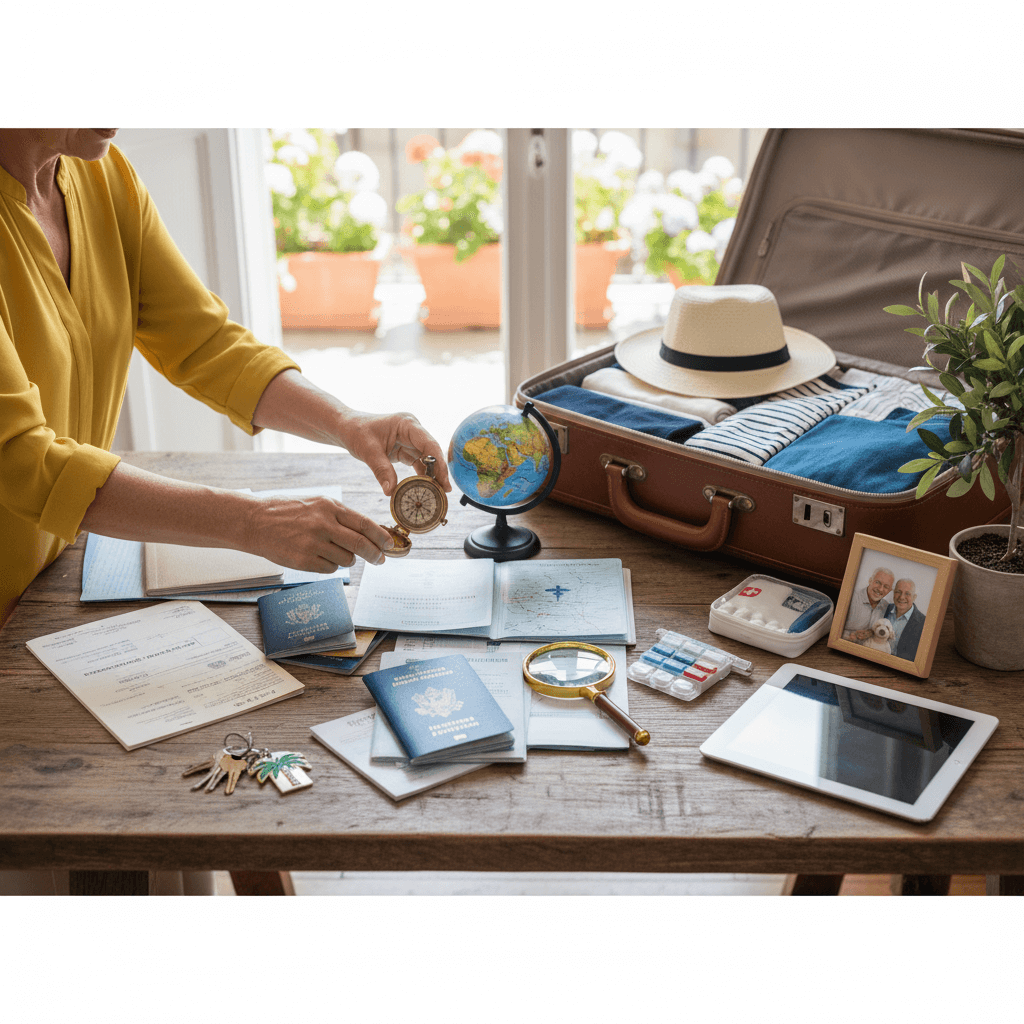
Moving abroad as a senior can be one of the most rewarding life changes you take. When you plan with care it becomes a chance to enjoy new cultures, make fresh friendships, and live with more freedom. This checklist will give you practical steps, real world examples, and plain language tips to make the process smoother and less stressful.
This guide focuses on what matters most for older adults who want to relocate overseas. You will find actions to take months ahead, things to check the week before departure, and small tasks to handle once you arrive. Each section targets a core area so you can work through the move in manageable stages.
Your timeline and planning priorities for senior expat moves
Start early and break the move into phases to avoid last minute pressure. A typical timeline looks like this
- 12 to 18 months out update documents and review residency options
- 6 to 12 months out sort finances, healthcare arrangements, and housing research
- 3 months out schedule appointments, pack nonessentials, and notify providers
- 2 weeks out complete packing, confirm travel plans, and set up mail forwarding
Example practical step. If you plan to move in a year, create a spreadsheet with columns for task, deadline, responsible person, and status. Add rows for passports, visa applications, medical checks, and a contact at your destination country. Check one row each week rather than trying to finish everything at once.
Health care and insurance arrangements for older adults abroad
Health planning is one of the top concerns for seniors making an international move. Start by listing current conditions, medications, and recent test results. Then take these actions
- Talk with your primary doctor about long term care needs and obtain copies of medical records
- Check whether your destination country accepts your current prescriptions and what substitutions might be needed
- Compare private international health plans, local national health systems, and travel medical policies
Medication and prescriptions
Bring at least a three month supply of essential medications in original containers. Ask your pharmacy for a written list of generics and dosages to present to doctors abroad. If a medication is not available in the new country, identify therapeutic alternatives before you leave.
Finding local medical care
Research hospitals and clinics near likely neighborhoods. Check international patient reviews and whether English speaking staff are available. Call ahead and ask about appointment wait times for routine care and for urgent consultations.
Legal status and residency paperwork you must complete
Sorting visa and residency paperwork is critical and often time consuming. Each country has different requirements for retirees including proof of income, background checks, and health screenings. Start by collecting all identity documents and official records such as birth certificates, marriage certificates, and retirement statements.
Many countries offer retirement visas with minimum income or savings thresholds. Gather bank statements and pension documentation to support your application. If you need professional advice, speak with an immigration lawyer who specializes in residency for older adults.
For more details about what to check before you move and how to present your supporting documents see this reference and explore this guide for country specific checklists and common pitfalls.
Financial planning and tax considerations for senior expats
Money planning covers income streams, banking, taxes, and budgeting for local cost of living. Take these practical steps
- List all income sources including pensions, social security, investment dividends, and rental income
- Check how residency affects taxation in both your home country and destination country
- Open a local bank account if required and understand fees for foreign transfers
Example tax consideration. Some countries tax global income while others tax only local earnings. Consult a tax specialist with experience in cross border retirement matters. Even a one hour consultation can prevent a costly mistake later.
Choosing housing and finding the right community fit
Housing choices will shape daily life. Options range from renting a furnished apartment to buying a small home or joining a retirement community. To find a good match follow these steps
- Decide between long term rental versus buying based on how permanent the move is
- Check accessibility features such as stairs, elevator availability, bathroom safety, and ground floor options
- Visit neighborhoods during different times of day to assess noise, traffic, and local amenities
Tip for community fit. Attend local expat meetups, language classes, or senior clubs before signing a long lease. These interactions reveal how comfortable you will feel in that area and which services are nearby such as pharmacies, markets, and social centers.
Packing, downsizing, and handling possessions
Downsizing can be emotionally charged. Start with small projects such as sorting kitchenware and selecting personal items to take along. Use the following checklist when packing
- Create three piles keep sell donate or recycle
- Measure large furniture and doorways at your new place to avoid surprises
- Label boxes by room and priority so essentials are easy to find on arrival
Shipping versus buying locally
Consider the cost of shipping heavy items versus replacing them at your destination. A bed frame or an heirloom piece may be worth the freight charges while inexpensive household goods are often cheaper to buy locally. Get quotes from at least three international movers and compare transit times and insurance terms.
Handling important documents and valuables
Keep original documents such as passports, birth certificates, and medical records with you during travel. For valuables consider a small safe at your new residence or a bank safety deposit box. Scan key documents and store encrypted copies in a secure cloud account that you can access from abroad.
Social connections language and daily life skills abroad
Maintaining social ties and building new ones is essential to a happy life overseas. Plan how you will stay connected with family back home and how to meet people locally
- Schedule regular phone or video calls with family and friends
- Enroll in language classes that focus on conversation skills used in everyday life
- Volunteer with local groups or join hobby clubs to build a social circle
Example daily routine. A simple schedule that includes language practice, a walk in a local park, a market visit, and a weekly meetup can foster a sense of belonging quickly. Many cities have expat Facebook groups which are useful for practical tips like recommended doctors and upcoming social events.
Travel logistics and safety measures
Travel planning covers how you will get there and how you will move around locally. Book flights with flexible change policies and choose arrival times that avoid rush hours. Consider direct flights if a long layover would be difficult for you.
- Register with your home country embassy when you arrive
- Carry a small medical kit and a list of emergency contacts in both languages
- Have contingency funds available for unexpected expenses such as emergency travel or medical bills
Safety tip. Keep a photocopy of your passport and visa with a trusted contact back home. Use simple technology such as a basic mobile phone plan with local data to call taxis or emergency services when needed.
Conclusion
Your Essential Checklist for Senior Expat Moves is about breaking a big project into clear practical steps that reduce stress and increase confidence. From health care and legal paperwork to housing and social connections every element plays a role in shaping a successful move. Start by mapping a reasonable timeline and tackle one area at a time. Use lists, ask questions of professionals where needed, and test living options before making final commitments. If you prepare key documents, arrange reliable medical coverage, and plan finances with tax implications in mind you will remove many common obstacles.
Act now by taking a single small step such as making an appointment with your doctor for a full health review or booking a short exploratory trip to your chosen country to scout neighborhoods. Each step builds momentum and reduces uncertainty. If you would like specific country checklists or sample timelines send a message or create a project plan you can share with family members. A thoughtful move lets you enjoy new experiences while keeping practical needs covered. Begin today with your first checklist item and keep a steady pace toward your new life abroad.
 Small Business Owners
 Safely Transport Home Appliances
 Air Conditioning, A Necessity
 Benefits Of Agricultural Biotechnology
 Exercise for Scoliosis
 Ways To Stop Dog Licking